
This true tale from our tiny homestead kingdom is dedicated to our sweet grandchildren featherlings: Neta, Galtuv, Sinai, David, Dvora, and Avigail.
Once upon a time, not so many moons ago, there lived a flock of feathered queens and duck dukes. Each morning, they marched out from their wooden fortress coop, curious explorers venturing across the kingdom. Their Great Morning Procession began not with a trumpet, but with two regal cock-a-doodle-doos. This signaled the arrival of their two kings, the Red Roosters.
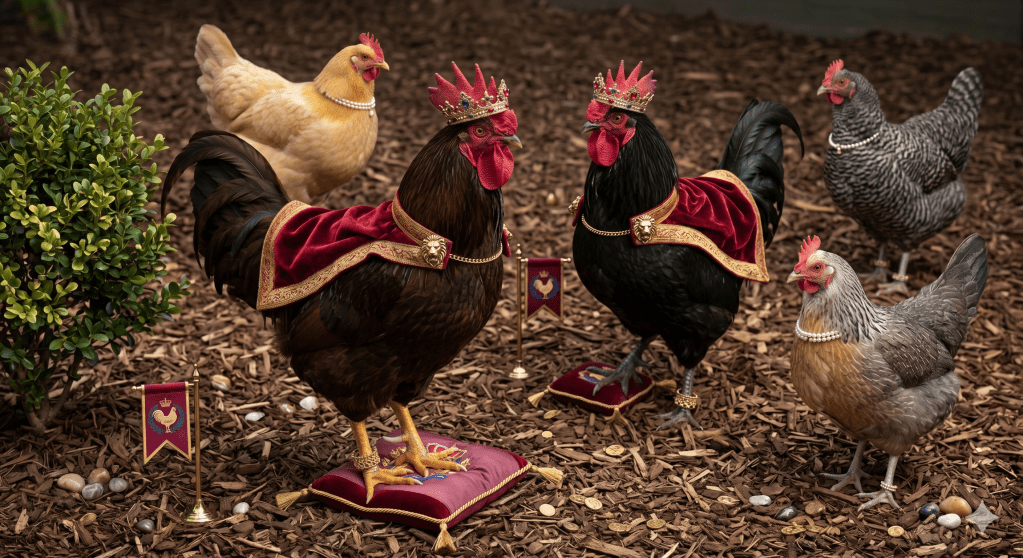
“Cluck, cluck, cluck,” the hens responded dutifully, their heads bobbing as they waltzed about in search of treasured insects. Left behind, hiding beneath an ancient olive tree, sat a forlorn rooster. His name was Fat Albert, not because he was fat—he was simply fluffy, as Silkie knights can be. This sad rooster looked more like a rabbit than a proper rooster and spent his days hiding from the Red Brothers, kings who ruled the roost with a bold and bossy peck.
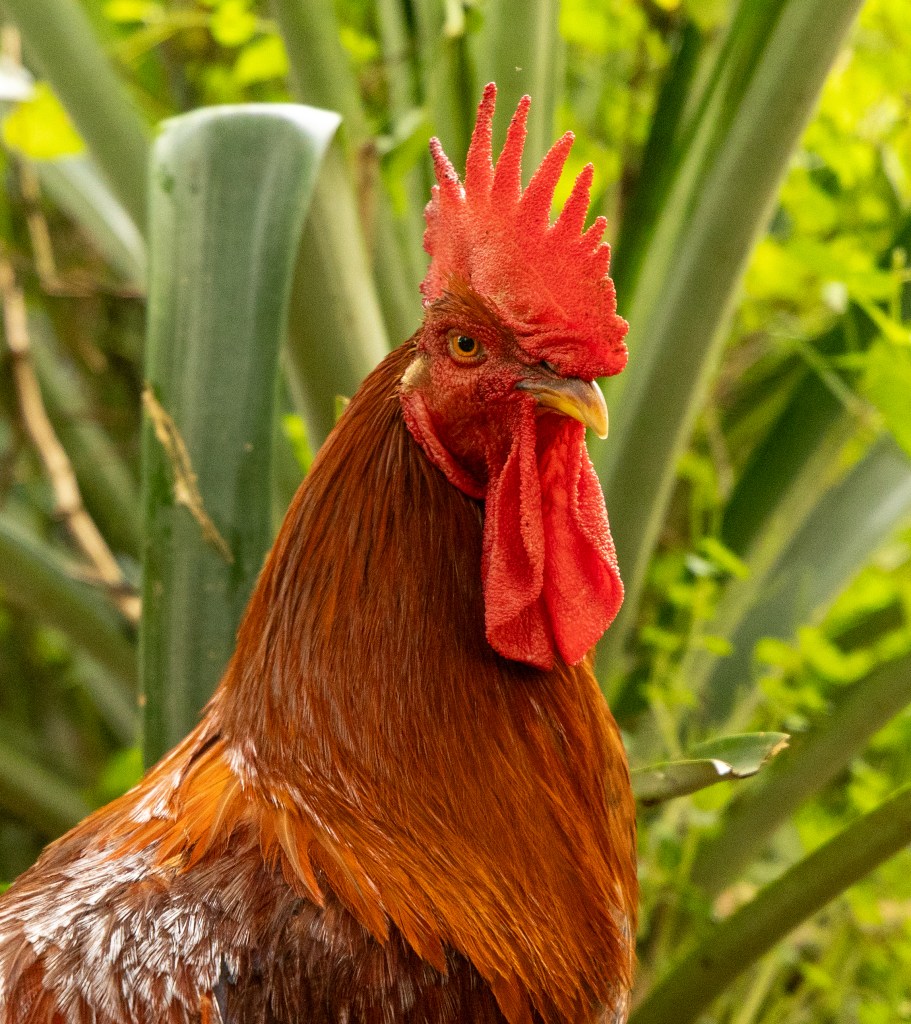
One day, the Great Keepers of the wooden fortress (that’s us) saw this injustice. With one swift decision, the Red Brothers were spirited away to a far-off place, leaving behind a strange silence in the kingdom.
Yet the very next morning, there came a sound. It was neither trumpet nor cock-a-doodle-doo, but a raspy “Hey, hey, hey.” There was Fat Albert, the newly proclaimed king, puffed up and perched atop a rock, a ruler on his throne.
“Hey, hey, hey,” he croaked again.
“Cluck, cluck, cluck,” replied the hens, glancing at him askew. Unimpressed, the Great Morning Procession waltzed right by in search of treasured insects.
Fat Albert knew this throne was now his. The hens were his, the wooden fortress coop was his, and so was the kingdom beyond. He ruffled his feathers and screeched, “Hey, hey, hey,” his tiny fluffy body bouncing with the force of the crow.
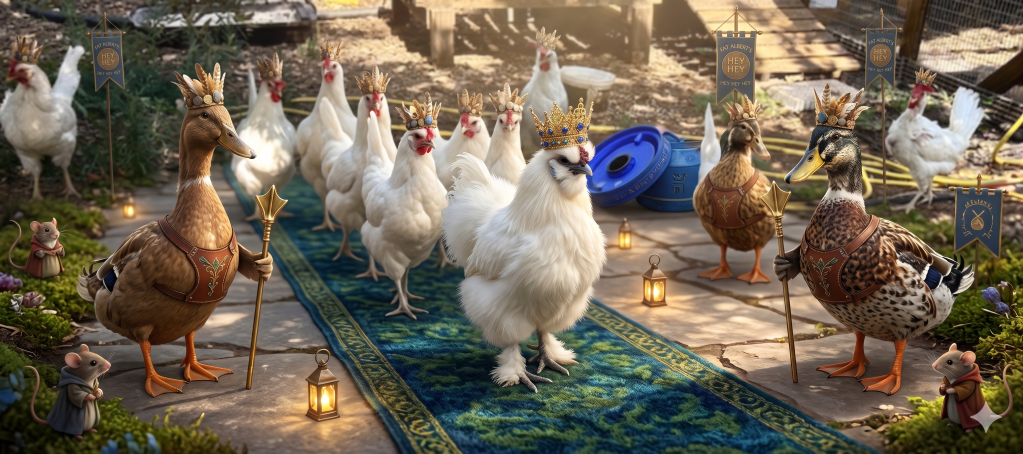
If he believed the entire kingdom was now his, then surely the Great Keepers (that’s us) were his dutiful serfs. We were to drag bags of feed to him, offer the new master his meals, change his water, and make certain his wooden fortress was secured each night. At first, we obeyed with diligence, happy to see a downtrodden knight become a leader.
Yet when he crowned himself king, something shifted. Perhaps this once-meek Silkie rooster looked into the mirror of the water trough and envisaged an emperor—a fierce one at that.
Although he looked more like a rabbit than a rooster, Fat Albert became a silk-cloaked menace. He lorded over the fortress with iron-clad wings, his spurs glinting like little silver daggers. To approach him at all was to risk the wrath of a thousand tiny silken stabs.
“Hey, hey, hey” now sounded less like a greeting and more like a warning to one’s ankles. Power did not just go to his head; it went straight to his legs. The bird who once cowered in the corner now treated the garden like a battleground.
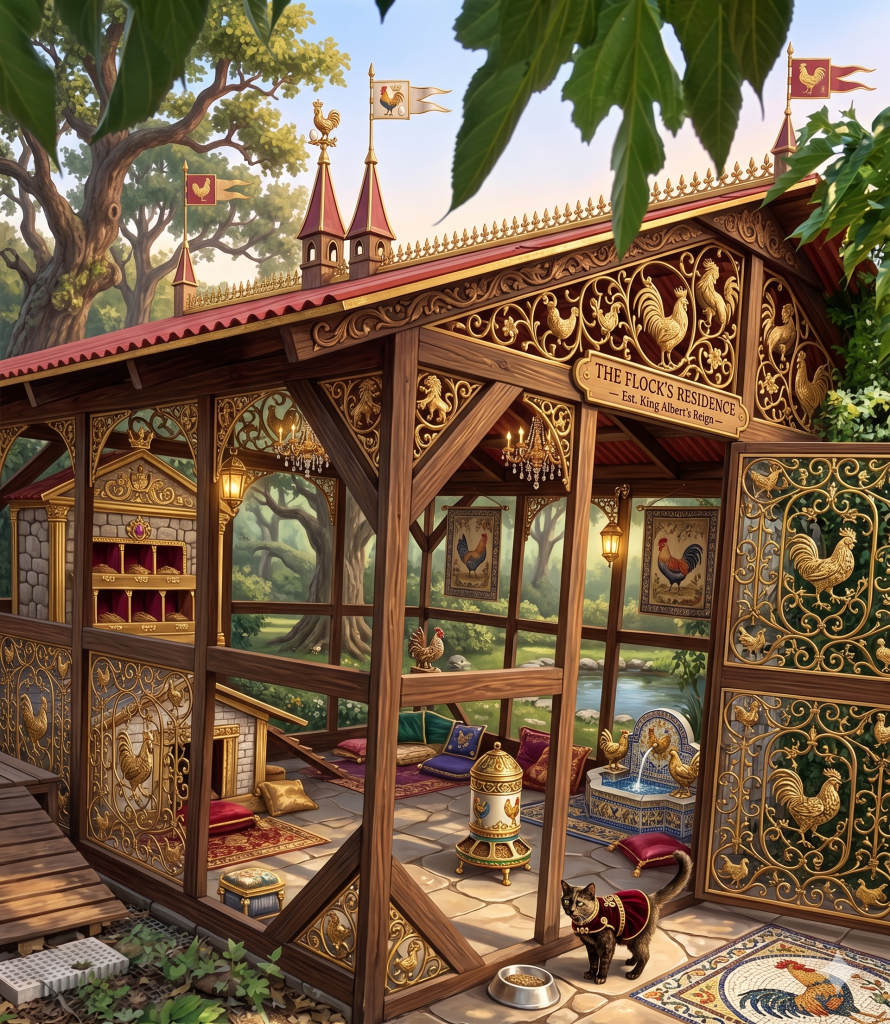
Each morning, so as not to incur his wrath, the Great Keepers crossed the threshold gently, bearing the finest cracked corn and freshly harvested greens for His Highness, the hens and the duck dukes. To King Albert, a bowl of organic scraps was not a gift—it was tribute. And like many greedy kings, he seemed to want the tribute as well as the battle.
There was no royal welcome from the new Silkie king. First, he would screech, “Hey, hey, hey,” and then leap from his rock in a vertical ambush. He launched his silken body into the air and landed like a fluffy thunderbolt upon all who entered—even innocent children (that’s you).
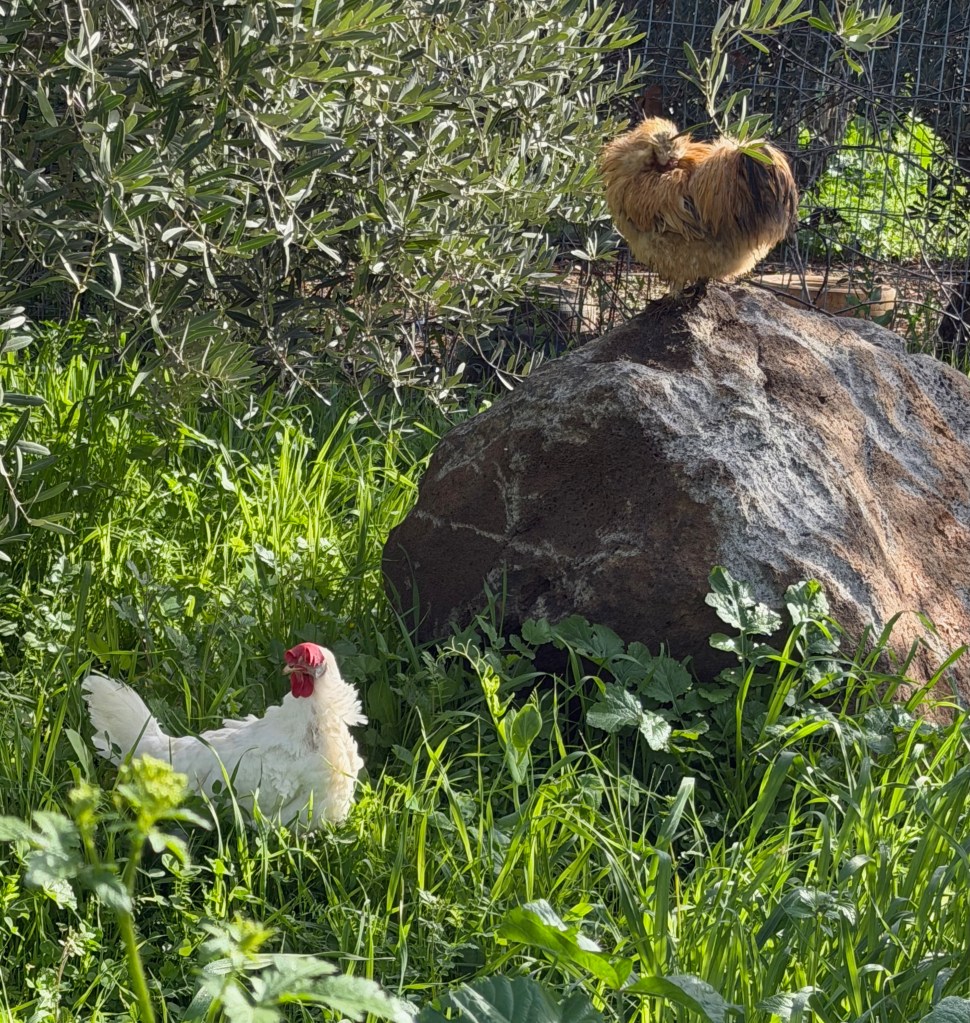
The Great Keepers had expected gratitude, not aerial warfare. And so they entered with long sticks. But King Albert met this challenge with glee, perfecting his vertical ambush with ever more height and determination. At times the Great Keepers had to nudge him away with sticks, but King Albert would fly across his throne room, ruffle his feathers, and hop back for round two of the attack. They then brought in spears and armor to no avail.
Now most roosters would take the hint and retreat to the safety of the bushes to rethink their life choices—not King Albert. He showed no remorse, and he would not stop until he had claimed the victory of a vertical ambush. Morning chores became a game of survival, the only prize being to make it out alive.
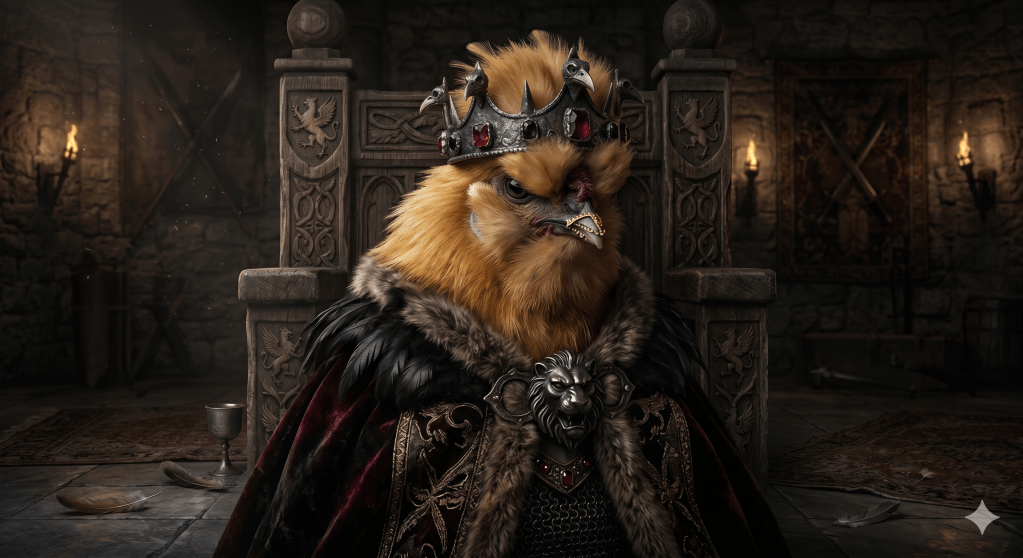
This continued until one day, when a mysterious ailment came upon King Albert. There were no more “hey, hey, heys” and no more vertical ambushes. He gave one final frail crow, then retreated into the coop in a ball of golden fluff. Unruffled, the hens continued their Great Morning Procession. “Cluck, cluck, cluck,” they said, walking right past their fallen king, bobbing to and fro in search of treasured insects.
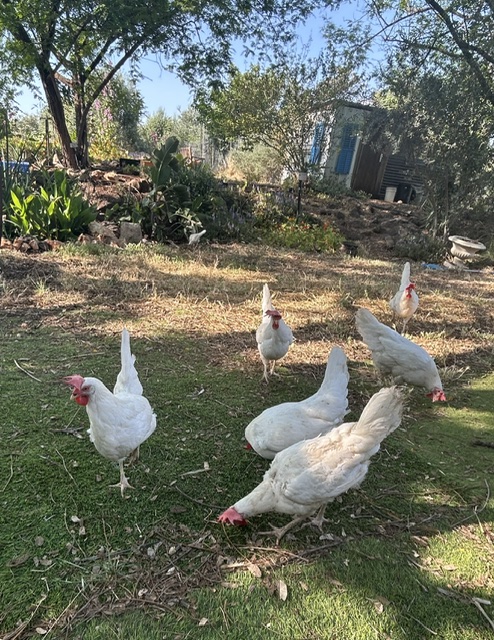
Before long, he slipped away in silence, leaving only golden feathers, memories, and a kingdom strangely at peace.
Not all tales are granted a happy ending, though this one may have come close. Fat Albert could have been a gentle king, beloved by his queens, duck dukes, and honored by his keepers.
Instead, he chose the path of a tiny tyrant. And so, when his small reign came to a quiet end, the kingdom did not weep—it simply went on pecking.
Discover more from Life in Israel
Subscribe to get the latest posts sent to your email.

 Life in Israel