
“I don’t like this rain,” the cashier groaned, pushing cans of chickpeas down the conveyor belt.
“I know. So wet and cold,” the customer agreed, catching the rolling tins.
“I don’t even want to go out,” the cashier added, throwing an anxious look at the exit as if it were keeping some adversary at bay.
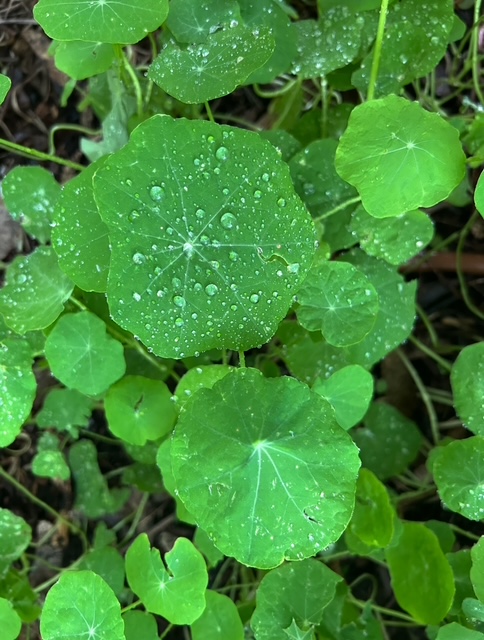
This short, seemingly insignificant conversation ignited neurons in the permaculture compartment of my pea brain. Do they think rain is bad? Even in this desert climate after last year’s drought? And this cashier wants to hide indoors when right outside, nature is flourishing, literally showing off her splendor. I paid for my groceries, fearing that if the cashier engaged me in her climate tirade, I would plop her down in a meadow of flowering mustard.
I had just driven to a city with asphalt parking lots and concrete shopping malls — and possibly a disdain of rain. I live in a more rural setting where rain is a gift.
In Jewish tradition, rain is not a drab weather report or a technical detail of the natural world; it holds both spiritual and environmental significance. The Torah describes this land as a place with mountains and valleys that drinks rain from heaven (Deuteronomy 11:11). Harking all the way back to biblical Eden, we are commanded to guard the land and preserve it, including the rain.
This is why we pray for rain each day. Starting after Sukkot until Pesach, we add the words “And give dew and rain for a blessing” to our Amidah prayers. Describing the importance of rain, the Torah reads, “Hashem will open for you that bounteous store, the heavens, to provide rain for your land in season and to bless all your undertakings.” (Deuteronomy 28:12) And in the Talmud, Rav Yehuda said, “The day of the rains is as great as the day on which the Torah was given.” (Taanit 7a).
Rain in Israel is truly a blessing.
I love every drop of rain and run outside when the clouds burst open. Wearing a raincoat and my polka dot rubber boots, I flit around our trees like a small child, face turned to the sky. The tree branches open in an embrace, shiny leaves turn up, ready to capture the water and conduct it down to roots that rejoice.
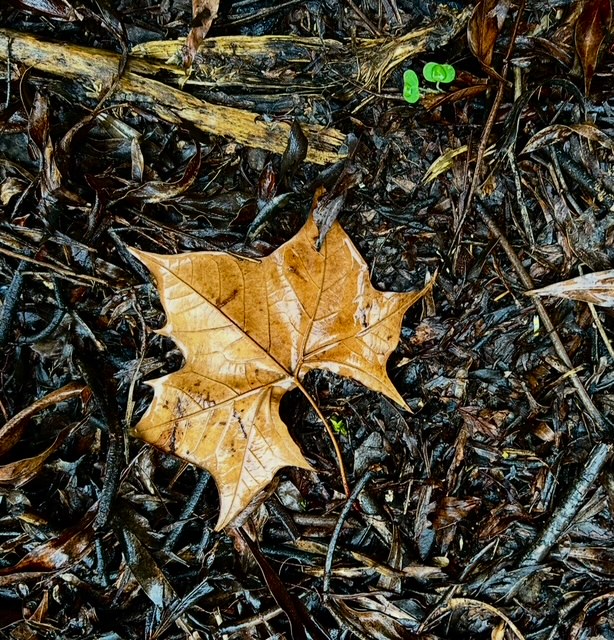
And I love the squelch of the mulch and leaves under my boots as they decompose and feed nutrients to the plants. We check to see that the rain is being absorbed into the ground, practicing “slow, spread, sink,” a key concept we learned in our permaculture course. The goal is to capture the rain and hold it in the ground before it runs off and erodes, taking away the precious topsoil along with its nutrients.
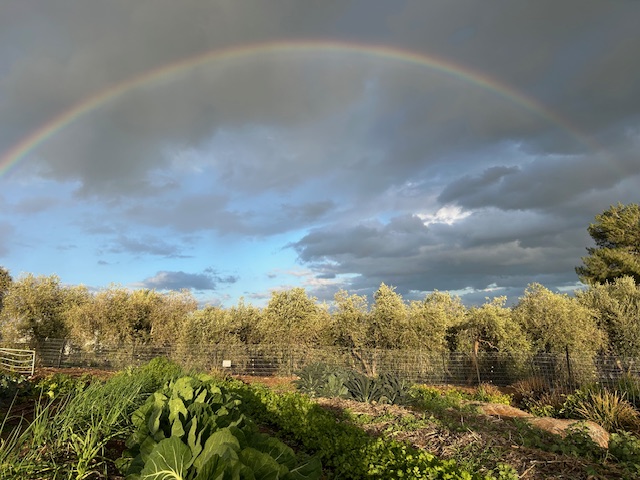
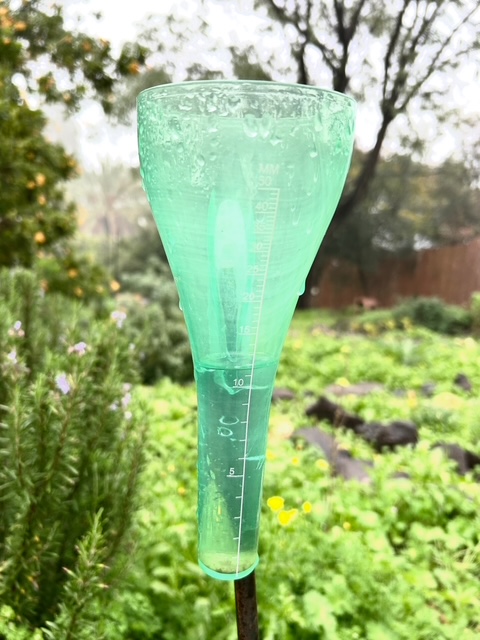
Each raindrop is so valuable, we have a cup that measures every millimeter that falls — and are excited when it fills up. After a downpour, or even during one, there is often a rainbow spanning the sky, a signature smile from Hashem.
Over the past two years, those rain walks in our garden yielded the discovery of a few rivulets that flowed downhill. These impromptu streams formed large puddles, sometimes around the base of newly planted trees. Out came the pickaxe to dig ditches and swales. Forming impromptu canals, we would also pile up earth and redirect this precious resource.
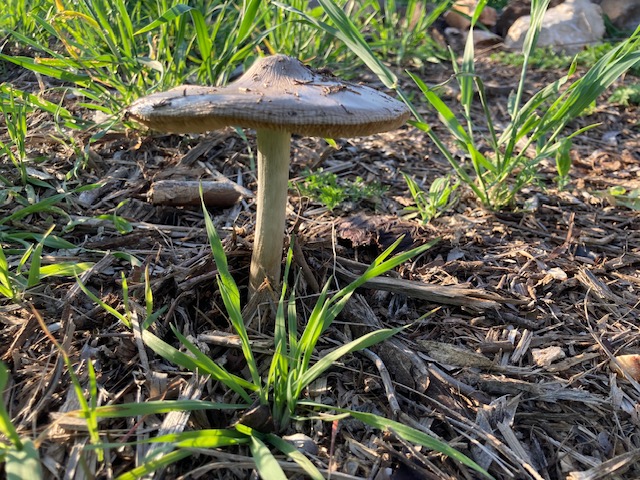
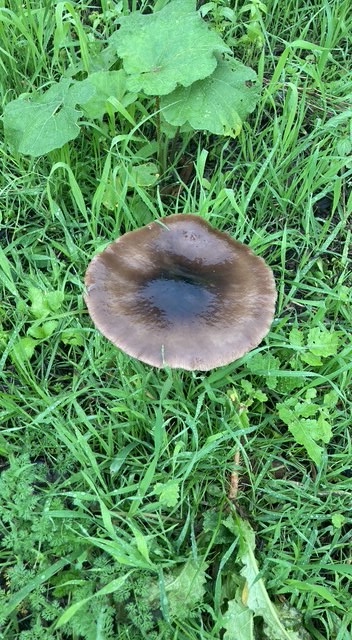
After these muddy tweaks, the earth in our garden is now a sponge and drinks each drop in. Mushrooms pop up after a good rain, enough to house a few communities of elves — and a sign that healthy soil lives here too.
In Israel, it can rain, and sometimes pour, but the winter is fleeting. Like camels, trees must drink and store as much water as possible. Once the dry season sets in, the clouds drift away, exposing an azure sky. Empowered, the hot sun bakes the land and not a single drop of rain falls for up to eight months.
Unfortunately, the heavy rain that falls in Israeli urban areas has no opportunity to sink into soil as there is hardly any to be found. Drains and sewers are inadequate and the paved roads and concrete driveways repel the water until rivers form, creating floods and damage.
There is no system to capture the water for reuse in parks and gardens, so the rain eventually ends up in the sea. (In fact, it is illegal to capture water in Israel.) These past few months saw flash flooding in many cities, with damage and even deaths, especially in coastal cities.
Israeli cities could be designed to collect this precious resource, one that should be embraced and not repelled. Imagine streets in Tel Aviv lined with gardens instead of sealed curbs; or parking lots in Netanya that are permeable instead of concrete. Rooftops in Jerusalem could feed cisterns instead of pipes, and public spaces in Haifa could be designed to hold stormwater temporarily rather than flood unpredictably.
Israel is meant to be a land that requires attentiveness and responsiveness to natural cycles. Rain should not be treated as a nuisance to be controlled, but rather as a blessing to be received and stewarded.
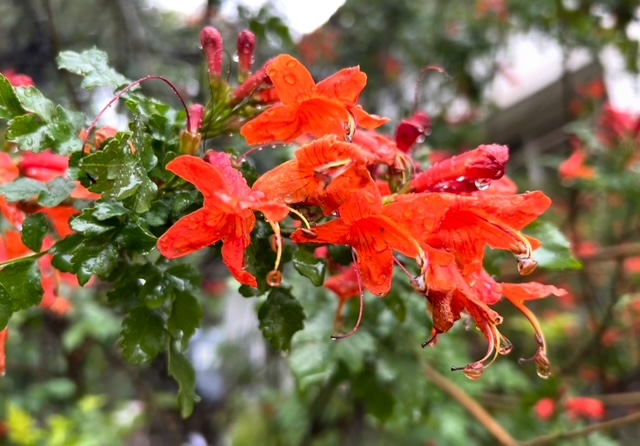
The next time it rains, stand under a tree and listen carefully. Study the sacred, sparkling drops and see them as a blessing. As for me, I’ll be out with the elves, squelching through the garden in my rubber boots.
Discover more from Life in Israel
Subscribe to get the latest posts sent to your email.

 Life in Israel